In a rushing world, where we constantly receive new impulses and stress over things we cannot control, there is a significant need to focus on what truly matters: health, love, the people around us, honesty, and self-care. I feel like, once in a while, we all experience burnout and feel like we’re stuck in a rut, but these moments offer valuable learning opportunities. I’ve felt burned out plenty of times in various areas of life, where I didn’t recognize my own struggles, emotions, or the importance of self-awareness. Often, I couldn’t understand that change doesn’t necessarily have to be bad.
In today’s fast-paced, hyper-connected world, self-care often feels like a luxury rather than a necessity. We are constantly faced with obligations like work deadlines, family commitments, social responsibilities, and more. Understandably, with so many competing demands, it’s easy to let self-care fall by the wayside if we’re not mindful. We tend to forget that prioritizing self-care is essential, not only for our emotional and mental well-being but also for our physical health. We cannot function effectively in our daily lives if we ignore our true and honest human needs, which might be easier to address than we think.
So, how can we find balance and make self-care a priority, even when our schedules are packed? When I talk to people about self-care, they often tell me they simply don’t have the time or capacity to take care of themselves, given everything else they need to handle. But I believe we can always make time for the things we truly want to do. This blog post aims to explore the easiest ways to include self-care in our daily routines, the importance of making it a priority, and the barriers that prevent us from practicing it.


Defining Self-Care
To understand the concept of self-care, we first need to define it. I think self-care can have a different definition in each person’s eyes, but it always involves small acts we do for ourselves. Self-care is often misunderstood as being indulgent or selfish, but it’s far from that. At its core, self-care is the practice of taking deliberate actions to maintain or improve your health and well-being. It’s about recharging your energy reserves so you can show up fully in all areas of your life.
Stress is an inevitable part of life, but without adequate self-care, it can lead to chronic stress, anxiety, depression, and a host of other mental health issues. By incorporating self-care activities like mindfulness, meditation, journaling, or even talking to a trusted friend, you can manage stress more effectively and maintain mental clarity.
For me, self-care allows emotional processing—a safe, open space for thoughts, experiences, and feelings that prevents emotional overwhelm. It makes it easier to cope with stressful situations and strong emotions, while fostering resilience. However, self-care is not limited to emotional practices—it means something different for everyone. For a nature lover, it might mean a long walk in the forest; for a fitness enthusiast, it might mean trying out a new sport. This definition of self-care includes things we may not even consider, like getting enough sleep, staying hydrated, eating nutritious food, and engaging in regular exercise. These activities support our immune system and boost energy levels.
Self-care can also enhance professional productivity. When you’re well-rested, emotionally balanced, and mentally clear, you’re more focused, energized, and efficient. In summary, self-care helps prevent burnout. So, it’s not that hard, right?

Why Do We Struggle with Self-Care?
Despite knowing how important self-care is, why do we tend to forget about it and struggle to make it a priority?
Many people, especially older generations, hold the belief that productivity is more valuable than well-being. The hustle-and-grind culture encourages long work hours, associating this behavior with dedication and diligence, but it doesn’t necessarily lead to happiness. Even when we understand this, we often feel guilty or lazy for taking time for ourselves. However, in reality, continuous work without rest leads to diminishing returns, both personally and professionally.
I struggled with this mindset a lot. I come from a family where self-care was not valued; in fact, it was considered lazy behavior. Until I started living on my own, I didn’t recognize its importance. I often felt burned out but thought it was normal, when it wasn’t.
For some, particularly caregivers or parents, there’s a belief that others’ needs should always come first. This mindset often leads to neglecting personal well-being out of guilt. But as the saying goes, “You can’t pour from an empty cup.” Neglecting your own needs diminishes your ability to care for others. Self-care is not selfish—it’s self-preservation.
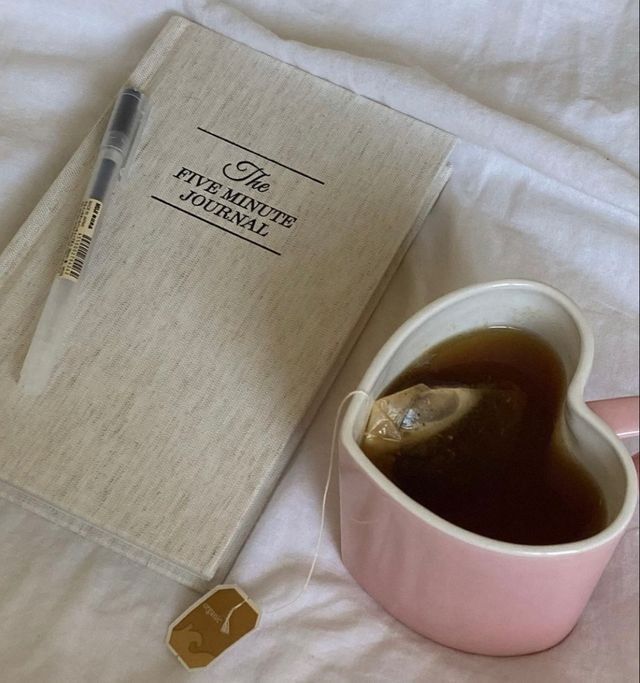
Another barrier is time. When we have to manage so many things daily, it often feels like there’s no time left for ourselves. In this case, my best advice is to sit down and assess your needs and the structure of your day. Organizing your thoughts and responsibilities can make it easier to identify what is necessary and what is not. You might discover pockets of time—15 minutes here or there—when you can focus on your well-being. Whether it’s making a cup of tea and reading a chapter of a book, taking a walk, having a power nap, or calling a friend, there’s always room for a little self-care.

Practical Tips for Prioritizing Self-Care
The good news is that self-care doesn’t have to be complicated or time-consuming. It’s about making small, consistent efforts to nurture your well-being. Here are some tips to start with:
Start small and be consistent:
If adding self-care to your routine is new to you, start with small steps. Figure out which activities recharge you the most, and build them into your daily schedule. You can even start with just 5 minutes of breathing exercises, yoga, or anything that helps you relax. Consistency is key.
Set boundaries:
Setting boundaries is crucial for mental wellness in every part of life, but especially in time management. Learn to say no to activities or tasks that drain your energy and don’t align with your priorities. Protect your well-being by making space for self-care.
Schedule self-care:
Self-care isn’t something that happens when you have extra time; it needs to be part of your schedule, just like anything else. I learned the hard way that making space for yourself and your emotions is necessary to live a healthy life, both mentally and physically. Now, I dedicate time for myself in the mornings. I do some exercises, sip water while journaling, and enjoy a peaceful start to my day.
Don’t be afraid to ask for help:
Delegating tasks or asking for help when needed is essential. Whether it’s asking a coworker for assistance or requesting help with household chores, letting go of the need to do everything yourself frees up valuable time for self-care. Also, if you’re struggling emotionally, don’t hesitate to reach out to a friend or start therapy. Therapy is a core part of my self-care routine and has been incredibly helpful.
In a world that often glorifies busyness, prioritizing self-care can feel radical, but it’s crucial for maintaining balance and well-being. By starting small, setting boundaries, scheduling time for yourself, and asking for help, you can incorporate self-care into your life, no matter how busy your schedule is. When you prioritize self-care, you not only improve your own life but also become better equipped to handle the demands of the world around you. So take a deep breath, make a commitment to yourself, and embrace the power of self-care in finding balance in a hectic world.
- all inspo from pinterest
Thank you for being here!
Like, comment and share the post if you feel like you got some inspiration and follow me on Instagram for more content like this!
Instagram: callherstylish
TikTok : callherstylish
Pinterest: viragbekes

 call her stylish
Leave a comment