This topic might not be an open discussion in the fashion world, but in order to take care of our mental well-being, we must consider how fashion influences our body image and how important it is to maintain a healthy perspective on what constitutes a “normal” body, even in the context of fashion. Body ideals have evolved significantly over the past century. People have always had the desire to look different and to idealize certain body types they can aspire to. For example, in the 1950s, the hourglass figure was the ideal for women, but by the 1990s, androgynous styles became more popular. Since then, we’ve seen trends like heroin chic and other unattainable body ideals continue to evolve. In my view, different cultures value different body shapes, so this varies demographically in some cases, but we can still see global trends dictating how women are “supposed” to look. This raises the question: is this healthy, and does it help women gain confidence in their true selves? For most, the answer is no. But why, then, do certain fashion designers and magazines historically set an ideal body type for women? This post aims to dig deeper into these influences and explore how fashion and body image intersect, while questioning whether this relationship has any relevance or positive impact on how we see ourselves.
Pop Culture and the Media’s Role in Shaping Body Image
Across the globe, on every platform where fashion is available, there is a specific body image that women are often expected to look like. We see perfect models in magazines, ad campaigns, and influencers on social media who both perpetuate and challenge body image stereotypes. However, when we see these ideals, we don’t always know the reality behind them—whether it’s a model who can’t eat intuitively or live a balanced lifestyle to sustain her career, or photos edited by professionals to make people look a certain way. With AI entering the chat, it’s even harder to distinguish the truth behind what we see. As women living in the 21st century, it’s challenging to draw the line between reality and what we see in the media. Unfortunately, as consumers, this can greatly affect our self-esteem, confidence, and perception of beauty. In the early 2000s, we saw certain influencers or pop culture figures popularize different body shapes and trends, but even then, these ideals weren’t presented naturally or imperfectly. It begs the question: why is there so much hate for imperfection? We love seeing unique, imperfect designs, clothes, and styles, so why can’t the fashion industry embrace imperfection in women’s bodies in the same way?
The New Body Image Revolution
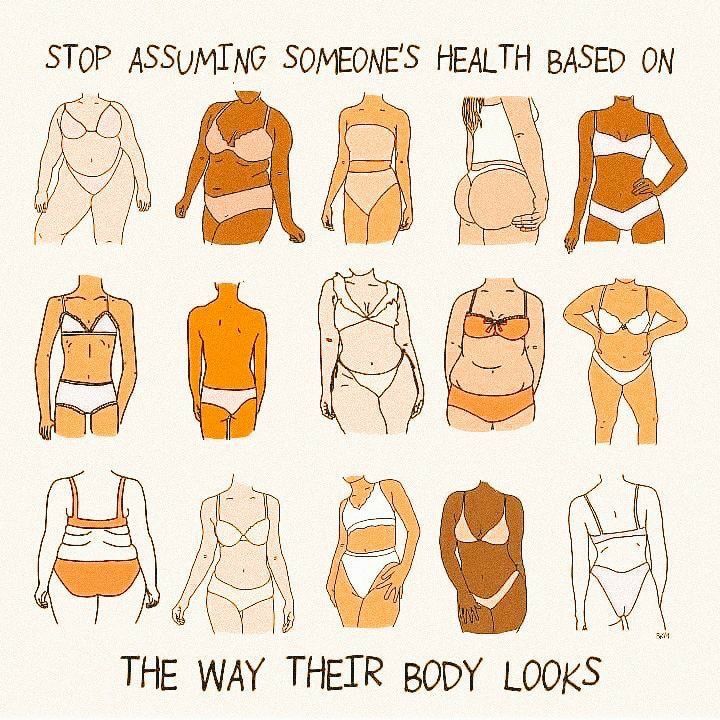
A new body image revolution started a few years ago on social media platforms, where women began to stand up for their perfectly imperfect bodies in an effort to change idealized beauty standards. This movement took off with hashtags like #BodyPositivity and #EffYourBeautyStandards, quickly gaining a large community. These groups promote a broader acceptance of women’s bodies, encouraging people not to judge based on appearance alone—and this has largely worked. Influencers and content creators who participated in this revolution have helped diversify body representation in fashion and have pushed for inclusivity. This movement also opened the way for the plus-size fashion movement, which is still evolving but has gained such a large following that we are now seeing body inclusivity in new clothing lines, and it’s even starting to appear in high fashion—though many brands still lag behind. There are ongoing challenges, such as limited size ranges and a lack of representation on runways, but the industry is slowly changing, and I am eager to see what the future holds.
Shaping Personal Style
Body image plays a crucial role in self-expression, well-being, and how we present ourselves to the world. It has a major influence on how we shape our self-image. If we don’t feel good in our bodies, we’re less likely to feel good about ourselves or our lives. It’s common knowledge that individuals with a strong, positive body image tend to feel more freedom in experimenting with fashion trends and personal style, and they show more confidence in their outfits. As women, we can often sense when someone is at peace with themselves—it just shows on the outside. On the flip side, when we can’t accept our bodies, we often lack the motivation to experiment with fashion, limiting our personal style and overall participation in trends. When we dig deeper, we find even more problems in the fashion industry, especially its effect on mental health. Certain fashion trends, like ultra-thin models or corseted waists, can perpetuate unhealthy body ideals, contributing to eating disorders or body dysmorphia. These are global issues that blind us to the real purpose of fashion: self-empowerment for all shapes and sizes.
Luckily, In recent years, the sustainable fashion movement has emerged as a powerful force that not only focuses on environmental responsibility but also promotes inclusivity and positive body image. Sustainable fashion brands tend to prioritize quality and longevity over fleeting trends, which often translates into more diverse sizing and adaptable styles that suit a wider range of body types. This shift contrasts sharply with fast fashion, which frequently perpetuates narrow, often unattainable body ideals by creating clothes that cater primarily to smaller sizes. Moreover, the ethical values that underpin many sustainable brands—such as transparency, fair labor practices, and mindful consumption—often extend to embracing diverse forms of beauty. Brands like Girlfriend Collective and Universal Standard are leading the way by producing clothing for all shapes and sizes, showing that sustainable fashion can also be body-inclusive. This broader approach challenges the traditional notion that fashion should fit only a limited set of body types, fostering a more accepting and body-positive fashion culture. By championing diversity and rejecting the pressures of fast fashion’s rapid cycles, the sustainability movement is playing a key role in reshaping body image in a positive and inclusive way.
For the future
The relationship between body image and fashion trends is complex and ever-evolving. For decades, fashion has been a mirror for society’s beauty standards, often dictating what body types are seen as desirable or ideal. However, in recent years, the fashion industry has begun to embrace greater diversity, pushing back against the narrow ideals that once dominated runways and magazines. Movements like body positivity, the rise of plus-size fashion, and the influence of social media have all played significant roles in reshaping these ideals. At the same time, the sustainable fashion movement has helped forge a new path where inclusivity and ethical practices go hand in hand. While there is still much progress to be made, particularly in high fashion, the shift toward a more accepting and empowering view of body image is unmistakable. As fashion continues to evolve, it has the potential not just to reflect beauty standards but to redefine them, creating a future where all body types can be celebrated.
Thank you for being here!
Like, comment and share the post if you feel like you got some inspiration and follow me on Instagram for more content like this!
Instagram: callherstylish
TikTok : callherstylish
Pinterest: viragbekes
 call her stylish
Leave a comment