Journaling is a powerful tool for self-reflection, understanding, and showing empathy toward yourself. It’s an easy yet important habit that we often don’t focus on enough in our daily lives. With so much information surrounding us and so many impulses affecting us daily, it’s easy to get lost. However, journaling might be a solution to help stay grounded.
It can be impactful in setting goals for your future, gaining clarity on your feelings, boosting creativity, and working through life’s challenges.
I have a personal story about how journaling changed my perspective on life, helping me view things differently and to understand myself better. I started journaling nearly three years ago, during a difficult time in my life, when my therapist suggested trying a few journaling methods. That was the first time I understood how writing could be a form of self-expression and how much joy it could bring me. I started with daily mood checks, but over time, I delved into writing stories that stirred intense emotions, helping me gain a new understanding of why I felt the way I did. I’ve been journaling ever since, though my routine has transformed into a weekly practice.
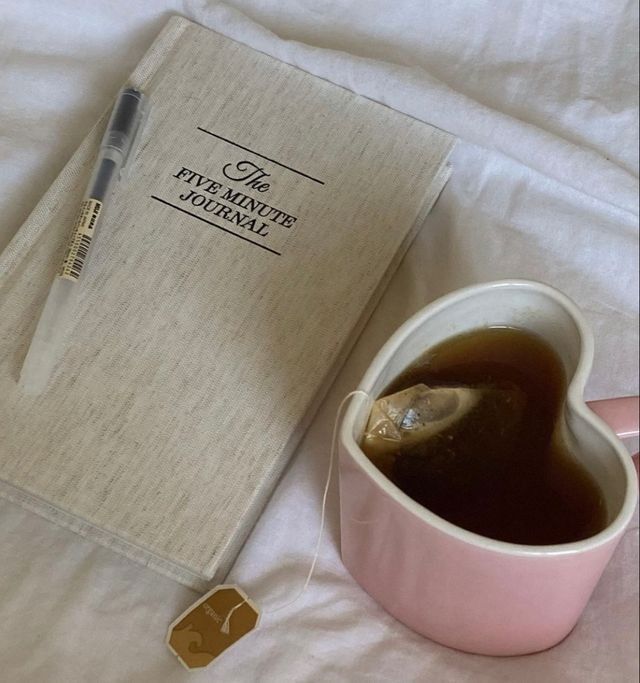

Now, I want to share my thoughts, tips, and tricks related to journaling in the hope that they guide and motivate you to master this tool.
How Journaling Can Help in Different Areas of Your Life
As I mentioned earlier, journaling can have a significant impact on many aspects of life.
1. Clarity and Self-Reflection
Journaling allows you to reflect and better understand your emotions from a different perspective. It opens up possibilities for exploring your inner world and leads to greater self-awareness.
2. Stress Relief and Emotional Release
Writing about stressful situations can serve as a release valve, much like talking to friends or family. Putting your emotions and thoughts on paper can help untangle them, and over time, reduce anxiety.
3. Goal Setting
Putting your thoughts into words helps clarify the meaning behind your ideas, and the same applies to your goals. Writing down what you want to achieve can make them more actionable.
4. Improved Mental Health
Writing about your emotions and traumas can help make sense of them, allowing you to process difficult experiences constructively. This makes your emotions less overwhelming.
5. Enhanced Problem-Solving Skills
For me, writing down situations and thoughts has always helped to analyze them from multiple perspectives. When dealing with conflicts, journaling can clarify how you feel and what hurt you, allowing you to better understand how others might feel. It also helps identify patterns in your behavior that you might want to change, so they don’t hold you back from becoming a better version of yourself.
Start a Journaling Practice in 10-15 Minutes a Day
Now that we know how journaling can change our lives, let’s build an easy and accessible journaling practice.
1. Choose Your Medium
You can journal on paper or use one of the many digital journaling apps available. I prefer the old-school paper form, as I enjoy notebooks and the physical act of writing. However, if you’re unsure, try both and see what works best for you.
2. Set a Time to Journal
Choose a time each day, for just 10-15 minutes, to sit down and reflect. I personally like to journal in the morning when I’m most productive, but it can be any time that feels right for you.
3. Start with Prompts
Using prompts makes journaling easier, especially in the beginning. A few basic questions can help you reflect and understand how journaling works. Here are a few to start with:
- “What am I feeling right now?”
- “What are my current goals, and why are they important to me?”
- “What challenges am I facing, and how can I overcome them?”
- “What am I grateful for today?”
4. Be Honest and Authentic
This might be the most important part of journaling. Be honest with yourself about your emotions. Don’t worry about what others might think—your journal is for your eyes only. Self-discovery comes from being 100% truthful with yourself, even when it’s hard.
These are the main ideas I can offer to help you succeed in journaling and make time for yourself. It might take time to get used to a new habit like this, so be patient, try new things, and find what works best for you.

Thank you for being here!
Instagram: callherstylish
TikTok : callherstylish
Pinterest: callherstylish
Like, comment and share the post if you feel like you got some inspiration and follow me on Instagram for more content like this!

 call her stylish
Leave a comment